Unlock the power of gamification to transform your business strategies and engage your audience like never before.
Exploring the Foundations of Gamification
Expanding on the concept of gamification involves delving deeper into its foundations, applications, psychological underpinnings, and historical evolution. Let’s break down these aspects to better understand how gamification can be utilized effectively in various non-game contexts.
Foundations of Gamification

The basic foundation of gamification lies in its elements which are commonly used in game design. These elements include:
These elements are used to transform mundane tasks into more engaging activities by incorporating aspects of competition, achievement, and reward.
Psychological Aspects
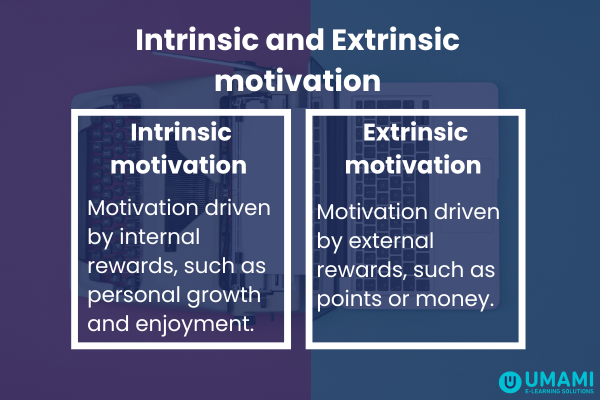
Understanding the psychological motivation behind why people engage with games is crucial for effective gamification. Key motivational theories applicable in gamification include:
The challenge in gamification is to balance these motivations to not only draw participants in but also to maintain their interest and engagement over time. For example, while badges and points can initially attract users, fostering a sense of community or mastery can encourage long-term engagement.
Historical Evolution and Effectiveness
Gamification has roots in both behavioral psychology and video game design, evolving over decades. Its early applications were often simple—like frequent flyer programs that rewarded points. Over time, these applications have become more sophisticated, integrating more complex game mechanics and psychological elements tailored to specific audiences and objectives.
Research and case studies have shown that gamification can effectively increase user engagement and motivation across various sectors:
Education: Gamification can make learning more engaging by incorporating challenges and levels that students need to complete, which can improve their interaction and achievement levels.
Healthcare: Gamified apps encourage patients to follow their treatment plans more consistently, for instance, by turning physical therapy exercises into a game.
Corporate Training: Gamification can enhance employee training programs by making learning processes more engaging and interactive.
Explore the step-by-step process of creating gamified eLearning to make your training more interactive and effective.
Ethical Considerations
As gamification becomes more widespread, ethical considerations must be addressed to ensure that these systems do not exploit users or lead to negative outcomes such as addiction or unfair competition. It’s essential for designers to consider:
Transparency: Users should understand what data is being collected and how it is used.
Autonomy: Users should have control over their participation and the choice to opt-in or opt-out.
Fairness: Systems should not disproportionately benefit one group of users over others.
By exploring the foundations of gamification, businesses and organizations can craft experiences that not only entertain but also enrich users, fostering both engagement and productivity in ways that traditional methods may not achieve.
Designing Effective Gamification Strategies
Designing effective gamification strategies is a complex yet rewarding process that involves a deep understanding of both your business objectives and your audience’s needs. Here’s how to approach crafting a gamification system that aligns with your goals and resonates with your users:
Define Clear Objectives
Begin by clearly defining what behaviors you want to encourage or change through gamification. Are you aiming to increase customer loyalty, boost employee productivity, or perhaps enhance learning outcomes? Setting clear goals at the outset ensures that the gamification elements you introduce are purpose-driven and measurable.
Understand Your Audience
Different audiences will respond to gamification elements in varying ways. Conduct audience research to understand their preferences, motivations, and challenges. This information is crucial in designing a gamification strategy that feels relevant and engaging to your users.
Balance Challenges and Skills
It’s essential to strike the right balance between the difficulty of the challenges and the skill level of your users. If the tasks are too easy, users will quickly lose interest; too hard, and they will become frustrated. This balance, often referred to as the “flow” state in psychological terms, keeps participants engaged and eager to progress.
Personalization and Flexibility
Avoid a one-size-fits-all approach by incorporating personalization into your strategy. Use data to adapt the experience to individual users’ behaviors and preferences. This can mean personalized challenges, tailored rewards, or adjustable difficulty levels.
Implement an Iterative Design Process
Deploy your gamification elements in stages. Start with a prototype or a minimum viable product and collect user feedback from the outset. This iterative process allows you to refine and adjust your strategy based on real user experiences and feedback.
Leverage Data-Driven Insights
Continuously collect and analyze data on how users interact with your gamified elements. This analysis can provide invaluable insights into what works and what doesn’t, helping you to refine your approach and maximize both engagement and effectiveness.
Ensure Seamless Integration
The gamification elements should feel like a natural part of the overall user experience, not tacked on or distracting. They should enhance the existing processes or products and should integrate smoothly with them.
By following these guidelines, you can design a gamification strategy that not only meets your business objectives but also provides a compelling, engaging, and motivating experience for your users.
Need inspiration? Check out these 5 powerful examples of gamification in learning to see it in action.
Leveraging Gamification for Customer Engagement
Leveraging gamification for customer engagement involves strategically integrating game mechanics into marketing and customer service initiatives to transform passive customers into active participants. Here’s how to effectively utilize gamification to enhance customer engagement:
Identify Customer Motivations
Begin by understanding what motivates your customers. Is it the thrill of competition, the satisfaction of completing challenges, or the desire for status and recognition? Conduct surveys, analyze customer feedback, and observe behavioral patterns to gain insights into what drives your audience.
Align with Brand Values
Ensure that your gamification strategy aligns with your brand identity and values. The game elements should reinforce the desired brand image and contribute positively to the overall customer experience. For example, if your brand emphasizes sustainability, incorporate eco-friendly challenges or rewards into the gamified experience.
Create a Seamless Experience
Integrate gamification seamlessly into your marketing and customer service platforms. The game mechanics should enhance the customer journey without feeling forced or disruptive. Provide clear instructions, intuitive interfaces, and responsive support to facilitate engagement.
Evolve and Iterate
Continuously refine your gamification strategy based on user feedback and performance data. Experiment with new game mechanics, adjust difficulty levels, and introduce fresh challenges to keep the experience engaging and relevant over time.
Reward Loyalty and Advocacy
Recognize and reward loyal customers who actively participate in your gamified initiatives. Offer exclusive perks, discounts, or special privileges to incentivize continued engagement and foster brand advocacy.
By leveraging gamification effectively, you can create a more dynamic and interactive customer experience that strengthens brand loyalty, drives customer engagement, and ultimately boosts business success.
Gamification Tools and Technologies
The right tools and technologies can make or break your gamification initiatives. Whether you’re building from scratch or integrating into an existing platform, choosing the correct infrastructure is vital. Here’s what to consider when choosing the appropriate platform:
Features and Functionalities: Modern gamification platforms should offer comprehensive features such as progress tracking, reward management, interactive engagement tools, and feedback mechanisms. These are crucial for enhancing user experience and maintaining engagement.
Scalability: It’s important to choose a platform that can accommodate growth. As your user base expands, your platform should be able to handle increased data and user interactions without a hitch.
Customization Options: A platform that allows for extensive customization will enable you to align the gamification elements with your brand identity and specific business goals. This could include everything from the visual design to the specific game mechanics and user paths.
Analytics Capabilities: Robust analytics are essential to track the effectiveness of your gamification strategy. Look for platforms that provide detailed insights into user engagement and behavior patterns, as these metrics are key to refining your approach.
User Security and Data Privacy: In today’s digital age, ensuring the security of user data and maintaining privacy is paramount. Opt for platforms that adhere to the highest standards of data security and are compliant with relevant regulations.
Integration Capabilities: The ability to integrate seamlessly with your existing systems simplifies data management and enhances the user experience. Choose a platform that offers flexible APIs and integration options.
Support and Customer Service: Good customer support can drastically improve your experience with a gamification platform. Ensure the provider offers robust support and service to help you manage the system effectively.
By focusing on these key areas, you can choose a gamification platform that not only meets your current needs but also supports your strategic goals and enhances user engagement over time.
Measuring the Impact of Gamification on Business Goals

To effectively measure the impact of gamification on business goals, a structured approach is essential. This ensures that your gamification efforts are not only engaging but also contribute meaningfully to your business objectives. Here are detailed steps to establish and evaluate the effectiveness of your gamification strategies:
Define Success Metrics
Start by identifying specific metrics that align with your business goals. These could include:
User Engagement Rates: Track how frequently and for how long users interact with gamified elements.
Task Completion Times: Monitor any changes in how quickly tasks are completed after gamification is implemented.
Sales Increases: Measure changes in sales figures if gamification is linked to promotional activities or product engagement.
Customer Satisfaction Scores: Use surveys or feedback tools to gauge customer satisfaction before and after implementing gamification.
Setting these metrics upfront provides a clear benchmark for assessing the effectiveness of your gamification efforts.
Implement A/B Testing
A/B testing is a powerful tool for comparing the performance of gamified elements against non-gamified controls. This involves creating two versions of your platform — one with gamification and one without — and measuring how each performs against your defined metrics. This direct comparison helps isolate the impact of gamification from other variables.
Collect Qualitative Feedback
While quantitative data is essential, qualitative feedback can provide deeper insights into user experiences and perceptions. Regularly collect user feedback through surveys, focus groups, or user interviews to understand how gamification affects their interaction with your product or service. This feedback can reveal aspects of the user experience not captured by quantitative metrics, such as user enjoyment or perceived value.
Monitor Long-Term Trends
Initial boosts in engagement due to novelty can fade over time. It’s important to monitor the long-term trends to see if the effects of gamification are sustainable. Tracking long-term data helps in understanding whether gamification leads to lasting behavioral changes or if its impact diminishes once the novelty wears off.
Continuous Measurement and Refinement
Establish a routine for regularly reviewing performance data. Continuous measurement not only helps in assessing whether gamification strategies are meeting expected goals but also provides insights needed to refine and optimize these strategies over time. Be prepared to adjust game mechanics, rewards, and user pathways based on data-driven insights.
Demonstrate ROI
Finally, consolidate your findings to demonstrate the return on investment (ROI) from gamification. This could involve correlating engagement levels with revenue increases, productivity improvements, or cost reductions. Demonstrating ROI is crucial for securing continued support and resources for your gamification initiatives.
By systematically measuring the impact of gamification on your business goals, you can prove its value and refine your strategies to ensure they provide maximum benefit to your business and enhance user experience effectively.
Looking to modernize your training strategy? See how game-based learning can supercharge corporate training.
Final thoughts
Gamifying education goes beyond just making learning enjoyable. It’s about using gaming elements strategically to boost learning outcomes and enhance workplace performance. Our team of experienced professionals can assess your needs, provide personalized recommendations, and guide you through the process of enhancing your online learning experience.
Schedule your free consultation with Umami Learning today!