Did you know that 75% of employees prefer video-based learning over text, according to Designing Digitally.
🧠 Let’s talk Psychology to know the reason:
Our brains can process videos 60,000 times faster than text. When we watch a video, we become completely immersed in it and form an emotional bond with the screen.
According to Forbes, video allows viewers to understand and retain 90% more information than text.
Why Video-Based Learning Matters?
Video-Based Learning “VBL” has many advantages that improve the learning experience and encourage better educational outcomes.
Here are the top 4 benefits for VBL:
1- Increased Retention: Video-based learning combines visuals and audio, making it a highly effective tool for long-term information retention.
Companies use VBL in employee onboarding to simplify complex topics. This will ensure that employees retain essential information longer by offering real-life case studies.
Here’s a video sample we created for a leading bank as part of their Code of Conduct training. The video addresses the proper course of action when a conversation with a colleague becomes challenging.

2- Flexibility and Ease: Video-based training offers unparalleled flexibility, allowing employees to learn at their own pace and on their own schedule.
This is especially beneficial for remote or hybrid workforces.
3- Cost-Effectiveness: Video-based training can significantly reduce costs associated with travel, accommodations, and printed materials.
For instance, through onboarding video-based courses, companies can provide consistent and accessible training for all new employees, no matter their location, while minimizing the need for in-person sessions and physical materials.
4- Consistency and Branding: By centralizing training materials in video format, companies can ensure consistent messaging and branding across their entire organization.
How to Make Video-Based Learning Work?
As an L&D professional, Maximizing the impact of your video learning strategy involves more than just producing content.
It’s about designing a whole learning experience that truly engages, educates, and empowers.
Here are some strategies to help you get the most out of video-based learning:
1- Create Learning Journeys
Think of training as a continuous journey rather than a one-time event.
Use video content to enhance ongoing learning, from onboarding new hires to upskilling your team.
2- Build a Video Library
Develop a comprehensive video library that supports various learning methods like microlearning and on-demand training. This will offer learners easy access to relevant resources anytime.
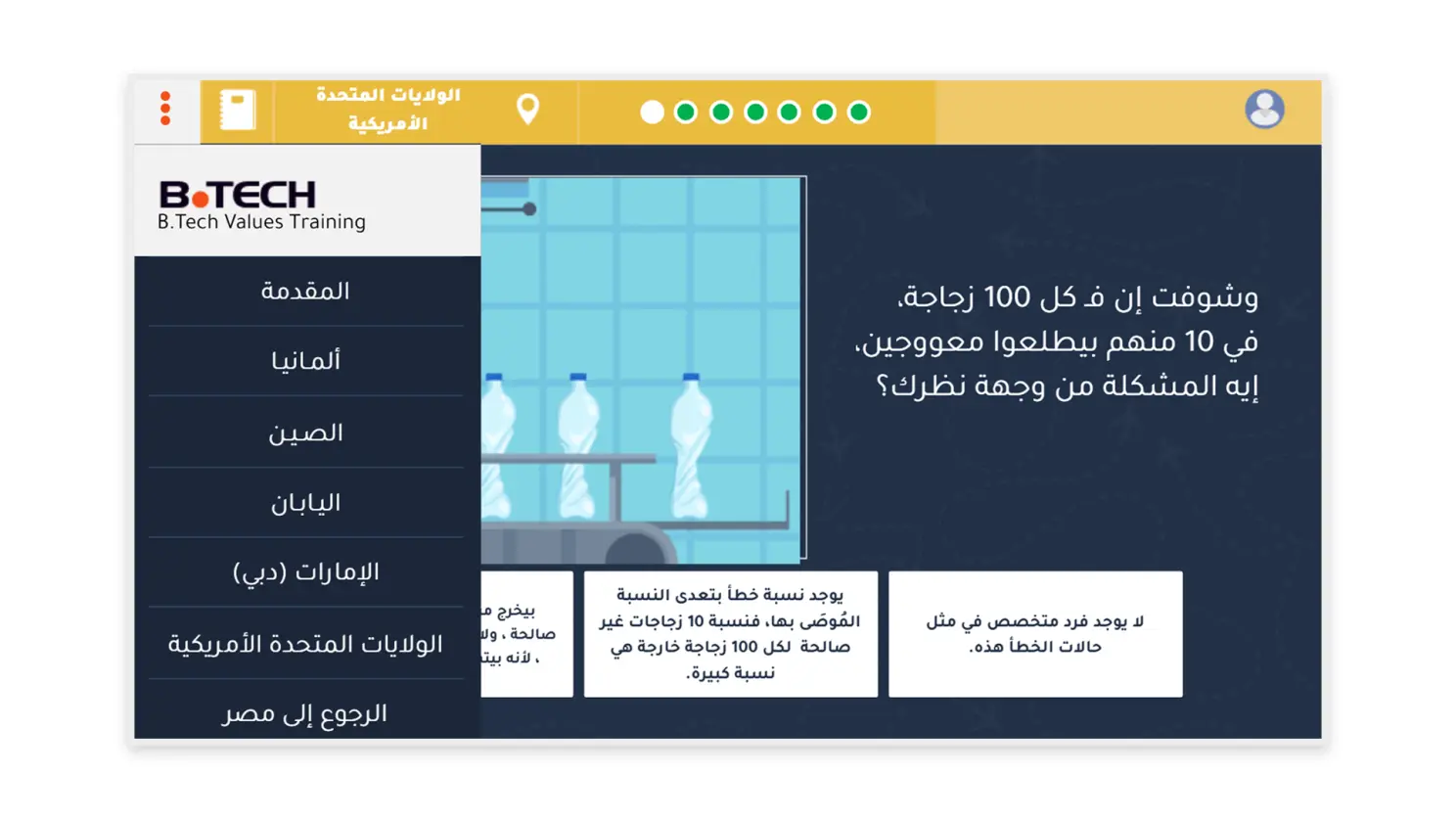
Exactly like Our video-based for B-TECH that is designed to be accessible to all employees, ensuring support for those who may encounter technical issues during manufacturing.
3- Gamify Your Videos
Add an element of fun by incorporating game-like features into your videos. This strategy is especially useful for making mandatory or compliance training more engaging.
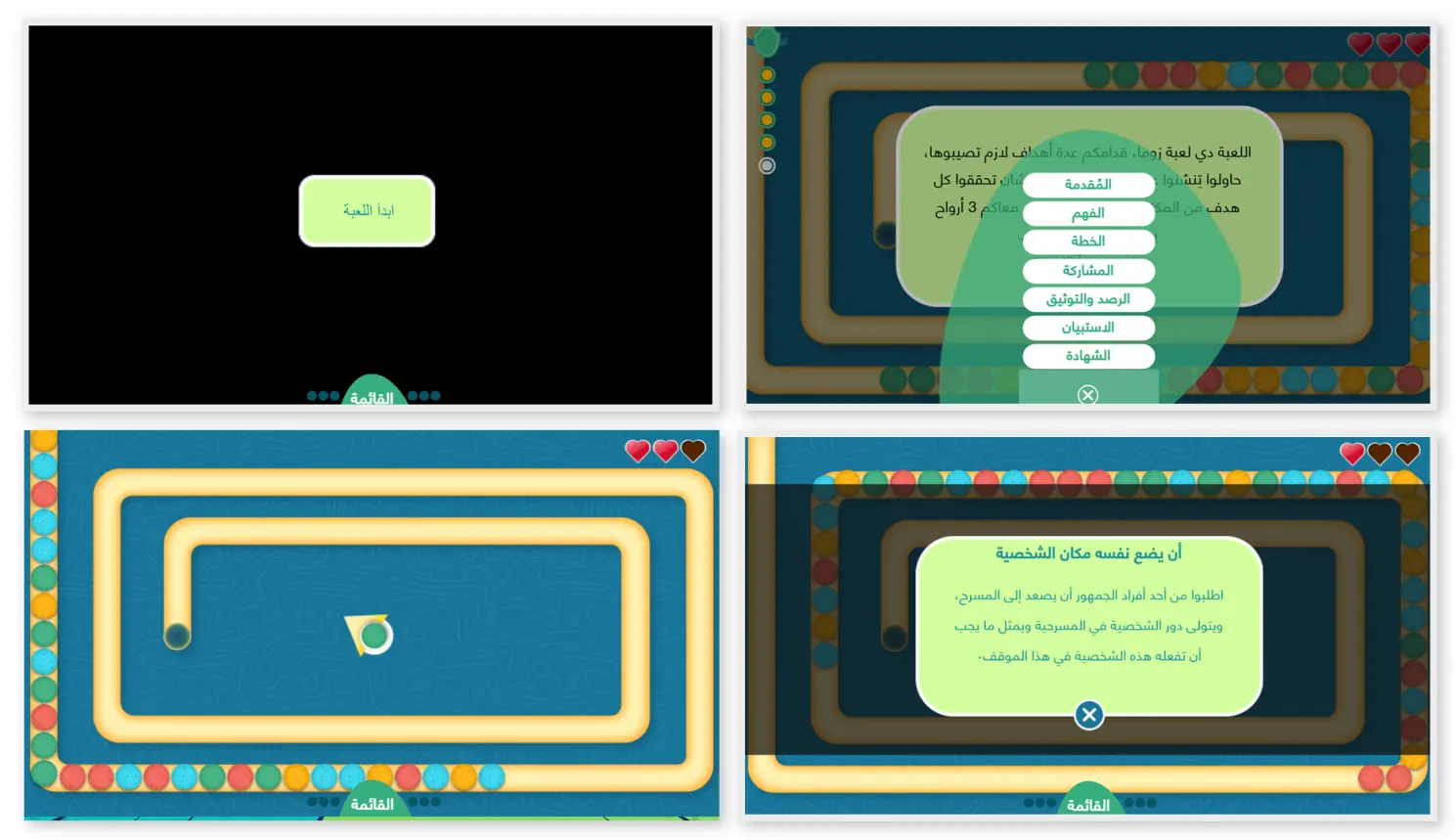
Our video-based gamified learning for Dawwie, a national initiative aimed at engaging adolescent girls and boys, creates an interactive experience that encourages self-expression. The game simulates the popular Zuma game, where players must hit the right ball to unlock and view new scenarios.
4- Use Microlearning Videos
Keep videos short and focused. Microlearning videos cater to today’s fast-paced learners who prefer quick, bite-sized learning moments.
5- Incorporate Scenario-Based Learning
Make learning more interactive by embedding real-life scenarios in your videos.
This allows learners to make decisions and experience different outcomes, creating a more engaging and practical learning experience.
How can AI enhance Video Based Learning?
AI can enhance video-based learning by providing personalized learning experiences tailored to different learning styles.
AI videos can incorporate visual, auditory, and kinesthetic elements, making them more engaging and effective for learners.
They can also be personalized to meet the specific needs of individual learners, such as providing different versions of a video or different video resources.
Additionally, AI videos can be created quickly and easily, saving time and money for educators and institutions.
74% of trainers use video in their training programs. 88% of large companies employ video-based technologies for training.
Join them & Book a meeting with our experts now!