Discover the various types of Learning Management Systems and how they can benefit your organization.
Exploring the Role of LMS Systems
Learning Management Systems (LMS) play a crucial role in modern education and training. They provide a centralized platform for managing and delivering learning materials, tracking learner progress, and evaluating performance. LMS enables organizations to streamline their training processes and ensure consistent and effective learning experiences for their employees or students.
By implementing a LMS , organizations can enhance their training programs, improve knowledge retention, and increase employee or student engagement. LMS systems also offer various features like content management, assessments, and reporting, which enable administrators to monitor and measure the effectiveness of their training initiatives.
In addition to traditional classroom-based learning, LMS supports online and blended learning approaches. They allow learners to access training materials anytime, anywhere, and at their own pace, promoting self-directed learning and flexibility. LMS also facilitates collaboration and interaction among learners through discussion forums, social learning features, and virtual classrooms.
Overall, exploring the role of LMS is essential for organizations looking to optimize their training efforts, improve learning outcomes, and stay competitive in today’s fast-paced digital world.
Types of LMS Systems
There are several types of LMS available, each catering to specific organizational needs and requirements. Understanding the different types can help organizations choose the right LMS that aligns with their goals and objectives. Let’s explore some of the common types of LMS:
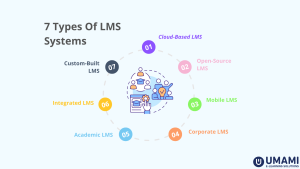
1- Cloud-Based LMS
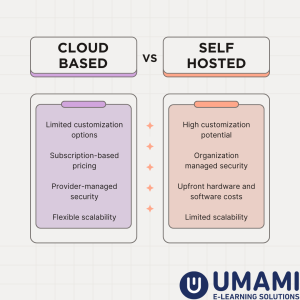
Cloud-based LMS are becoming increasingly popular among organizations of all sizes. These systems offer numerous advantages, including:
Easy accessibility: Cloud-based LMS can be accessed from anywhere with an internet connection, allowing learners to learn at their own convenience.
Scalability: Cloud-based LMS can easily accommodate a growing number of learners, making them suitable for organizations with expanding training needs.
Cost-effectiveness: Cloud-based LMS eliminate the need for on-site servers and IT infrastructure, reducing maintenance and hardware costs.
Automatic updates: Cloud-based LMS receive automatic updates, ensuring access to the latest features and improvements without any additional effort.
Data security: Cloud-based LMS provide robust security measures, including data encryption and regular backups, to protect sensitive learner information.
Overall, cloud-based LMS offer flexibility, scalability, and cost-effectiveness, making them an ideal choice for organizations looking to streamline their training processes.
2- Open-Source LMS
Open-source LMS has gained popularity for their flexibility and cost-effectiveness. Some key advantages of open-source LMS systems include:
Customization: Open-source LMS allows organizations to customize the software according to their specific requirements. They can modify the source code or integrate additional functionalities.
Community support: Open-source LMS have a large community of developers who actively contribute to the software’s development, provide support, and share enhancements.
Cost savings: Open-source LMS eliminates licensing fees, making them a cost-effective option for organizations with limited budgets.
Continuous improvement: Open-source LMS benefits from continuous improvements and updates driven by the community, ensuring access to the latest features and bug fixes.
However, organizations considering open-source LMS should also be aware of potential challenges, such as the need for technical expertise for customization and maintenance, and the absence of dedicated customer support. It is important to evaluate the organization’s resources and capabilities before opting for an open-source LMS.
3- Mobile LMS
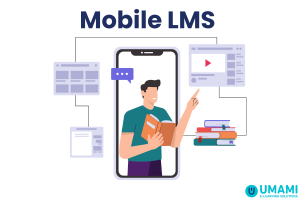
mobile LMS have become essential for providing flexible and convenient learning experiences.
Here are some key benefits of mobile LMS systems:
Anytime, anywhere learning: Mobile LMS enables learners to access training materials and complete courses on their smartphones or tablets, allowing for learning on the go.
Microlearning and gamification: Mobile LMS supports microlearning, delivering bite-sized content that is easy to consume. They also incorporate gamification elements to enhance engagement and motivation.
Offline learning: Mobile LMS offers offline learning capabilities, allowing learners to download training materials and continue learning even without an internet connection.
Push notifications: Mobile LMS can send push notifications to remind learners about upcoming courses, deadlines, or important updates, ensuring better learner engagement.
By embracing mobile LMS , organizations can provide learners with flexible and engaging learning experiences, thereby maximizing the effectiveness of their training initiatives.
4- Corporate LMS
Corporate LMS is specifically designed to meet the training and development needs of organizations. Here are some key features and benefits of corporate LMS systems:
Compliance training: Corporate LMS enables organizations to deliver compliance training programs, ensuring employees are aware of and adhere to legal and regulatory requirements.
Onboarding programs: Corporate LMS facilitates seamless onboarding by providing new employees with access to training materials, policies, and procedures.
Skills assessments: Corporate LMS offers tools for assessing employee skills and identifying skill gaps. This information helps organizations design targeted training programs to improve employee performance.
Performance management: Corporate LMS integrates performance management features, allowing organizations to track employee progress, set goals, provide feedback, and evaluate performance.
By utilizing corporate LMS, organizations can enhance employee training and development, ensure compliance, and improve overall workforce performance.
5- Academic LMS
Academic LMS systems cater to the unique needs of educational institutions, providing a comprehensive platform for delivering online courses and managing student learning. Here are some key features and benefits of academic LMS systems:
Virtual classrooms: Academic LMS systems support virtual classrooms, allowing educators to conduct live lectures, discussions, and interactive sessions with students.
Online assignments and grading: Academic LMS systems enable educators to create and distribute assignments online, collect submissions, and provide timely feedback to students.
Gradebook management: Academic LMS systems provide a centralized gradebook, allowing educators to track and manage student grades, attendance, and performance.
Student collaboration: Academic LMS systems facilitate student collaboration through discussion forums, group projects, and peer-to-peer interactions.
By leveraging academic LMS systems, educational institutions can deliver engaging and interactive learning experiences, promote collaboration, and monitor student progress effectively.
6- Integrated LMS
Integrated LMS systems offer seamless integration with other software and systems used by organizations. Here are some key benefits of integrated LMS systems:
Streamlined processes: Integrated LMS systems eliminate the need for manual data entry and streamline processes by automatically syncing learner or employee information with other systems, such as HR management or CRM systems.
Unified view of data: Integrated LMS systems provide a unified view of learner or employee data, enabling administrators to access comprehensive information in one place.
Enhanced reporting and analytics: Integrated LMS systems combine data from various systems, allowing for comprehensive reporting and analytics to measure training effectiveness and make data-driven decisions.
Improved efficiency: Integrated LMS systems reduce duplicate efforts and manual interventions, resulting in improved efficiency and productivity.
By implementing an integrated LMS system, organizations can optimize their training processes, improve data accuracy, and gain valuable insights for better decision-making.
7- Custom-Built LMS
Custom-built LMS systems are tailored to an organization’s unique needs and requirements. Here are some benefits of custom-built LMS systems:
Complete customization: Custom-built LMS systems can be designed from scratch, allowing organizations to customize every aspect of the system to align with their specific workflows, branding, and learning objectives.
Integration capabilities: Custom-built LMS systems can be seamlessly integrated with existing software and systems used by organizations, ensuring data exchange and streamlined processes.
Scalability: Custom-built LMS systems can accommodate future growth and evolving training needs, offering scalability and flexibility.
Unique features: Custom-built LMS systems can incorporate unique features or functionalities that are specific to the organization’s training requirements.
Custom-built LMS systems require significant investment in terms of time, resources, and expertise. Organizations should carefully evaluate their needs and consider the long-term benefits before opting for a custom-built solution.
Final thoughts
LMS systems are essential tools in modern education and training. Our team of experienced professionals can assess your needs, provide personalized recommendations, and guide you through the process of enhancing your online learning experience.
Schedule your free consultation with Umami Learning today!