Welcome to the ultimate guide to Learning Management Systems (LMS). Whether you’re an educator, trainer, HR manager, or business owner, understanding LMS is essential in today’s digital age. In this comprehensive guide, we’ll cover everything you need to know about LMS, from its definition and features to its benefits and implementation strategies.
What is an LMS?
Definition of Learning Management System (LMS):
A Learning Management System (LMS) is a software application or platform that facilitates the administration, documentation, tracking, and delivery of educational courses, training programs, or learning and development initiatives. Essentially, an LMS serves as a central hub for organizing, managing, and delivering online learning content to learners, whether they are students, employees, or participants in various educational programs.
Evolution and History of LMS:
The concept of Learning Management Systems traces its roots back to the early days of computer-based training in the 1960s and 1970s. However, the modern LMS as we know it today began to take shape in the 1990s with the advent of the internet and advancements in technology. Early LMS platforms focused primarily on delivering and tracking e-learning courses, but over time, they evolved to incorporate a wide range of features and functionalities to meet the growing needs of educational institutions and organizations.
Key Components and Features of an LMS:
Course Management: LMS platforms allow administrators to create, organize, and manage courses, including defining course objectives, structuring course content, and setting up assessments and quizzes.
User Management: LMS systems enable administrators to create and manage user accounts, assign roles and permissions, and track user activity within the system.
Assessment and Evaluation: LMS platforms provide tools for creating and administering assessments, quizzes, and surveys to evaluate learner performance and comprehension.
Content Management: LMS systems offer features for uploading, storing, and managing various types of learning content, including documents, videos, presentations, and interactive multimedia.
Communication and Collaboration: Many LMS platforms include communication tools such as discussion forums, chat functionality, and messaging systems to facilitate interaction and collaboration among learners and instructors.
Reporting and Analytics: LMS systems offer reporting and analytics features that allow administrators to track learner progress, assess course effectiveness, and generate detailed reports on various aspects of the learning process.
Integration Capabilities: Modern LMS platforms often offer integration with other software systems such as HRIS, CRM, and video conferencing tools, allowing for seamless data exchange and workflow automation.
Understanding the definition, evolution, and key components of Learning Management Systems lays the foundation for exploring their benefits and applications in various educational and organizational settings. In the following chapters, we’ll delve deeper into the different types of LMS, their benefits, implementation strategies, and future trends.
Types of LMS
Cloud-based vs. Self-hosted LMS:
Cloud-based LMS, also known as Software as a Service (SaaS) LMS, is hosted on external servers maintained by the LMS provider. Users access the platform via the internet, eliminating the need for on-site infrastructure and maintenance. This option offers scalability, flexibility, and accessibility, as updates and maintenance are managed by the provider. In contrast, self-hosted LMS requires organizations to host the platform on their own servers. While offering greater control over data and customization, self-hosted solutions entail higher upfront costs and maintenance responsibilities.

Open-source vs. Proprietary LMS:
Open-source LMS platforms provide source code access, allowing users to modify, customize, and distribute the software freely. These platforms are often community-driven, offering flexibility and adaptability to suit specific needs. Examples include Moodle and Open edX. On the other hand, proprietary LMS solutions are commercially developed and typically offer more polished features, support, and security. They may have licensing fees and limited customization options but often provide comprehensive support and integration services.
Industry-specific LMS Solutions:
Industry-specific LMS solutions are tailored to meet the unique requirements and regulations of specific sectors or domains. For example, healthcare organizations may require LMS platforms compliant with HIPAA regulations, while manufacturing companies may need solutions with safety training modules. These industry-specific LMS solutions offer specialized features, content libraries, and compliance tools relevant to the respective fields. They streamline training processes and ensure regulatory compliance, making them indispensable for organizations operating in highly regulated industries.
Understanding the different types of LMS options—cloud-based vs. self-hosted, open-source vs. proprietary, and industry-specific solutions—allows organizations to make informed decisions based on their specific needs, preferences, and industry requirements. By choosing the right type of LMS, organizations can effectively manage and deliver training programs that align with their goals and objectives.
Benefits of Using an LMS
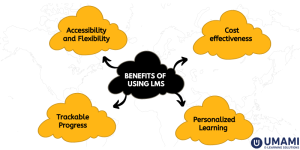
1. Accessibility and Flexibility for Learners:
24/7 Access: Learners can access course materials anytime, anywhere, allowing them to study at their own pace and convenience.
Global Reach: Geographical barriers are eliminated, enabling organizations to reach learners across different locations and time zones.
Diverse Learning Styles: LMS platforms offer various learning modalities, including text, video, audio, and interactive elements, catering to different learning preferences.
2. Cost-effectiveness and Scalability for Organizations:
Reduced Overhead: LMS eliminates expenses associated with traditional training methods, such as venue rentals, travel, and printed materials.
Scalability: LMS platforms can accommodate a large number of users without incurring additional costs, making them suitable for organizations of all sizes.
Resource Optimization: Course content can be reused and scaled easily, maximizing resources and minimizing waste.
3. Personalized Learning Experiences and Customization Options:
Adaptive Learning Paths: LMS platforms offer personalized learning paths based on individual learner’s goals, preferences, and performance.
Customizable Content: Course content, assessments, and activities can be tailored to meet the specific needs of learners or groups, enhancing engagement and relevance.
Feedback and Support: LMS enables instructors to provide personalized feedback and support to learners, fostering a supportive learning environment.
4. Trackable Progress and Data-driven Insights:
Real-time Monitoring: Administrators can track learner progress in real-time, monitor completion rates, and identify areas for improvement.
Analytics and Reporting: LMS platforms provide robust reporting and analytics tools, enabling administrators to generate detailed reports on learner performance, course effectiveness, and training ROI.
Continuous Improvement: Data-driven insights allow organizations to identify trends, evaluate the effectiveness of training programs, and make informed decisions to optimize learning outcomes.
How Does an LMS Work?

Course Creation and Management:
Content Upload: Instructors or administrators can upload various types of learning content, including documents, presentations, videos, and interactive multimedia.
Organization: LMS platforms allow for the structuring and organization of course materials into modules, lessons, or topics, facilitating easy navigation and access for learners.
Customization: Instructors can customize course settings, such as enrollment options, completion criteria, and prerequisites, to tailor the learning experience to the specific needs of learners.
User Management and Permissions:
User Registration: LMS platforms enable administrators to create user accounts manually or allow self-registration for learners to sign up independently.
Role Assignment: Different user roles, such as instructors, learners, and administrators, can be assigned varying levels of permissions and access rights within the system.
Group Management: Users can be organized into groups or cohorts based on factors such as department, team, or course enrollment, facilitating targeted communication and administration.
Assessment and Evaluation Features:
Quiz and Test Creation: LMS platforms offer tools for creating various types of assessments, including quizzes, tests, surveys, and assignments, with options for different question formats and grading criteria.
Automated Grading: Many LMS platforms provide automated grading features, allowing for efficient and consistent evaluation of learner responses and providing instant feedback to learners.
Progress Tracking: LMS systems track learner progress and performance on assessments, providing insights into strengths, weaknesses, and areas for improvement.
Communication and Collaboration Tools:
Discussion Forums: LMS platforms often include discussion forums or message boards where learners can engage in asynchronous discussions, ask questions, and collaborate with peers and instructors.
Live Chat and Messaging: Some LMS platforms offer real-time communication tools such as live chat or messaging systems, enabling instant communication between learners and instructors.
Virtual Classrooms: Advanced LMS platforms may integrate virtual classroom features, allowing for live, interactive sessions, including video conferencing, screen sharing, and whiteboarding.
By understanding how an LMS works, including its capabilities for course creation and management, user management and permissions, assessment and evaluation features, and communication and collaboration tools, organizations can effectively leverage these functionalities to create engaging and effective learning experiences for their users.
Implementing an LMS
Factors to Consider When Choosing an LMS:
Organizational Needs: Identify the specific needs and objectives of your organization, such as training requirements, user demographics, and desired outcomes.
Scalability and Flexibility: Consider the scalability and flexibility of the learning management system to accommodate future growth and changes in learning requirements.
Budget and Cost: Evaluate the total cost of ownership, including upfront costs, ongoing maintenance fees, and any additional expenses such as customization or integration.
Features and Functionality: Assess the features and functionality offered by the LMS, such as course creation tools, assessment capabilities, reporting and analytics, and user management.
User Experience: Consider the user experience and interface design, ensuring that it is intuitive and easy to navigate for both learners and administrators.
Integration Capabilities: Determine the LMS’s ability to integrate with other systems and tools, such as HRIS, CRM, content authoring tools, and video conferencing platforms.
Steps for Successful LMS Implementation:
Needs Assessment: Conduct a thorough needs assessment to identify the specific requirements and objectives of your organization.
Vendor Evaluation: Research and evaluate different LMS vendors based on factors such as features, pricing, customer support, and reputation.
Customization and Configuration: Customize and configure the LMS to align with your organization’s branding, instructional goals, and user requirements.
Content Migration: Migrate existing learning content, such as courses, modules, and resources, to the new LMS platform.
Training and Onboarding: Provide comprehensive training and onboarding for administrators, instructors, and learners to ensure they are familiar with the LMS features and functionalities.
Pilot Testing: Conduct pilot testing with a small group of users to identify any issues or areas for improvement before rolling out the LMS to the entire organization.
Launch and Rollout: Launch the LMS to the wider organization, providing ongoing support and assistance to users as they transition to the new platform.
Evaluation and Feedback: Continuously evaluate the effectiveness of the LMS through feedback from users, performance metrics, and stakeholder input, making adjustments as needed to optimize the learning experience.
Best Practices for Training and Onboarding Users:
Comprehensive Training: Provide comprehensive training sessions for administrators, instructors, and learners to ensure they understand how to use the learning management system effectively.
User Support: Offer ongoing user support through various channels, such as help documentation, FAQs, tutorials, and dedicated support staff.
Engagement Strategies: Implement engagement strategies to encourage active participation and usage of the LMS, such as gamification, rewards, and incentives.
Feedback Mechanisms: Establish feedback mechanisms for users to provide input and suggestions for improving the LMS platform, course content, and user experience.
Common Challenges and How to Overcome Them:
Resistance to Change: Address resistance to change through clear communication, stakeholder engagement, and highlighting the benefits of the learning management system.
Technical Issues: Proactively identify and address technical issues through thorough testing, ongoing maintenance, and responsive technical support.
Content Management: Streamline content management processes to ensure that learning materials are up-to-date, relevant, and accessible to users.
User Adoption: Promote user adoption through effective training, ongoing support, and demonstrating the value in achieving organizational goals.
By carefully considering factors when choosing an LMS, following steps for successful implementation, adhering to best practices for training and onboarding users, and addressing common challenges, organizations can maximize the benefits of their investment and create a positive learning experience for their users.
Trends and Future of LMS

Emerging Technologies Shaping the Future of LMS:
Artificial Intelligence (AI) and Machine Learning: AI-powered features, such as intelligent course recommendations, automated grading, and personalized learning paths, enhance the effectiveness and efficiency of learning management systems.
Virtual and Augmented Reality (VR/AR): VR and AR technologies are revolutionizing the way content is delivered and experienced in LMS platforms, offering immersive learning experiences, simulations, and virtual labs.
Blockchain: Blockchain technology provides secure and transparent record-keeping for credentials, certifications, and learning achievements, enhancing trust and credibility in the digital learning ecosystem.
Microlearning: Microlearning involves delivering bite-sized learning modules or nuggets of content, making learning more accessible, engaging, and adaptable to learners’ busy schedules and preferences.
Adaptive Learning and Personalized Recommendations:
Adaptive Learning Algorithms: Adaptive learning algorithms analyze learner data, such as performance, preferences, and behavior, to dynamically adjust the learning experience and content delivery based on individual needs and learning styles.
Personalized Recommendations: LMS platforms leverage data analytics and machine learning to provide personalized recommendations for courses, resources, and learning activities, enhancing engagement and relevance for learners.
Integration with Other Software Systems:
HRIS and Talent Management Systems: Integration with HRIS and talent management systems allows for seamless data exchange, enabling organizations to align learning initiatives with talent development strategies, performance management, and succession planning.
CRM and Sales Enablement Tools: Integration with CRM and sales enablement tools enables organizations to deliver targeted training and content to sales teams, improving product knowledge, sales effectiveness, and customer satisfaction.
Learning Experience Platforms (LXPs): Integration with LXPs enhances the learning experience by providing access to a broader range of learning resources, including curated content, social learning communities, and peer-to-peer collaboration tools.
Predictions for the Future of LMS in Education and Corporate Training:
Personalization and Adaptability: LMS platforms will continue to prioritize personalization and adaptability, leveraging AI, data analytics, and adaptive learning technologies to deliver tailored learning experiences that meet the diverse needs of learners.
Mobile Learning: Mobile learning will become increasingly prevalent, with LMS platforms offering responsive design, mobile apps, and offline access capabilities to support anytime, anywhere learning on mobile devices.
Collaborative and Social Learning: LMS platforms will evolve to facilitate collaborative and social learning experiences, integrating features such as discussion forums, peer-to-peer learning, and social networking to foster knowledge sharing and community engagement.
Continuous Learning and Development: LMS platforms will play a central role in promoting a culture of continuous learning and development, offering lifelong learning opportunities, upskilling, and reskilling initiatives to support career growth and professional development.
As LMS platforms continue to evolve and adapt to emerging technologies and changing educational and organizational needs, they will play a crucial role in shaping the future of learning and development in both education and corporate training contexts. By staying abreast of these trends and leveraging innovative solutions, organizations can maximize the potential of their LMS investments and deliver impactful learning experiences to their users.
Final thoughts
LMS systems are essential tools in modern education and training. Our team of experienced professionals can assess your needs, provide personalized recommendations, and guide you through the process of enhancing your online learning experience.
Learn more about UMAMI LMS solutions!